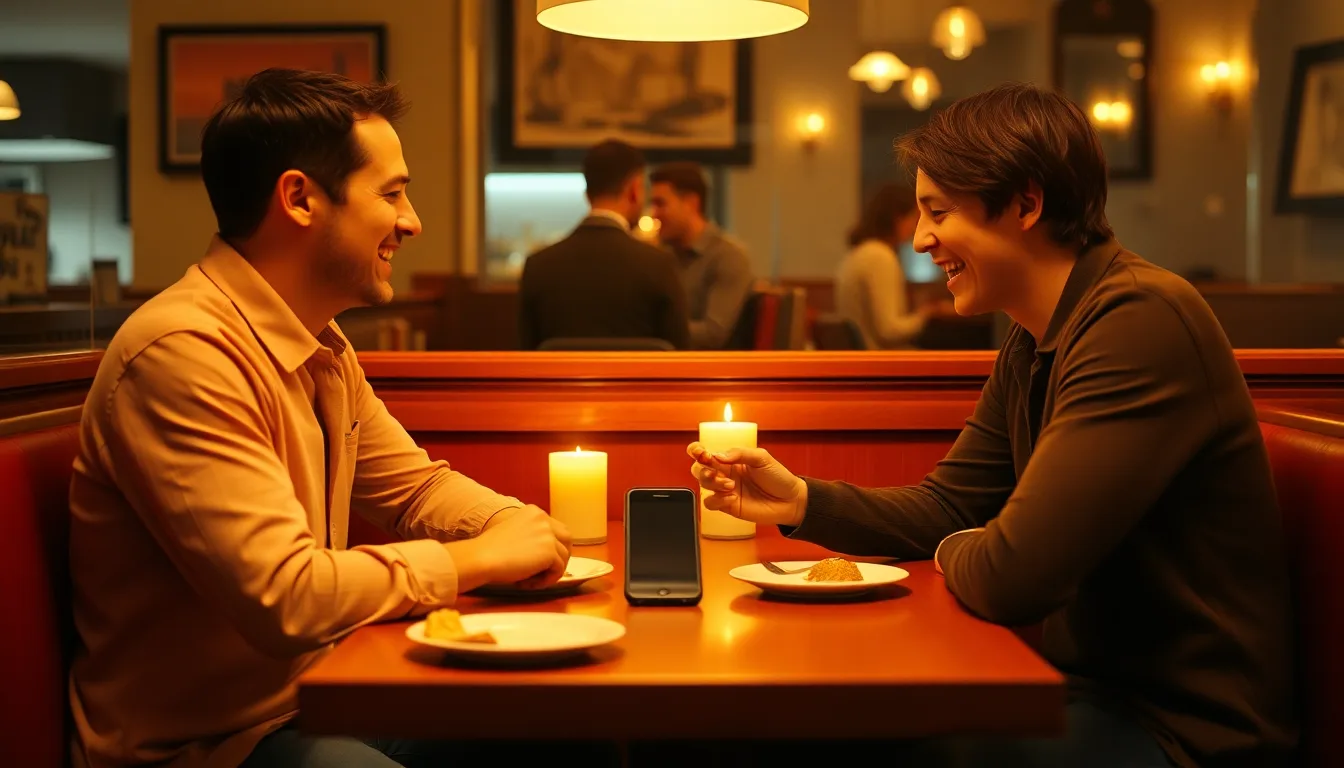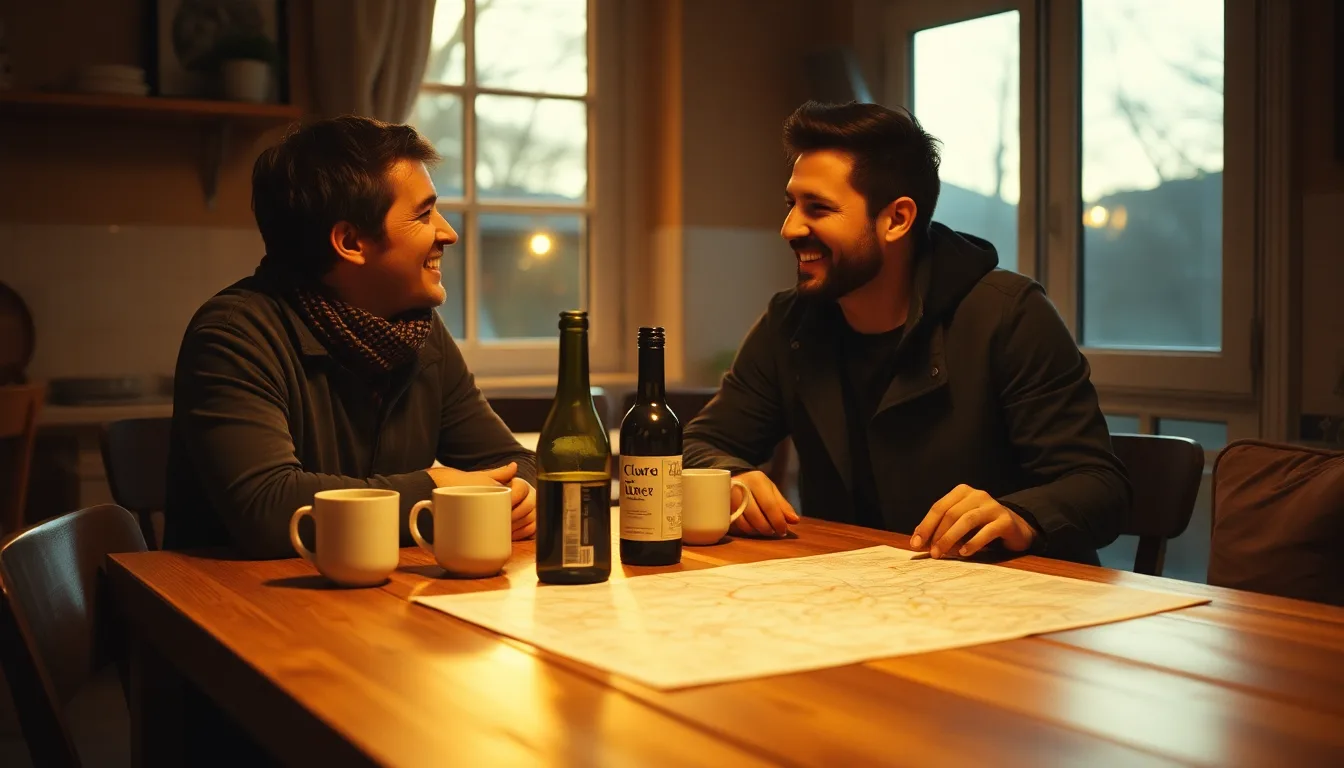
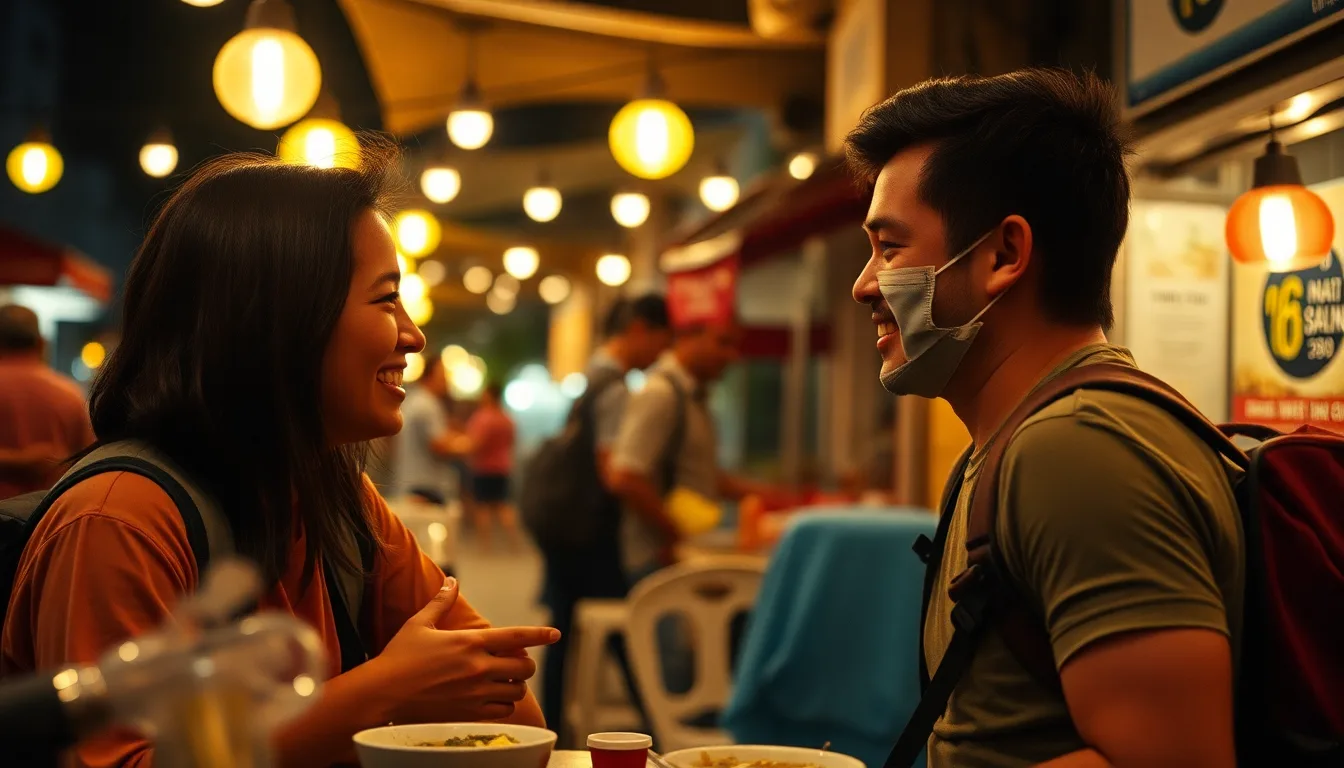
A Swedish traveler in Hanoi once walked up to a woman reading outside a guesthouse in the Old Quarter and said: same bus as you, different seat, want to fix that. She laughed, he sat down, they had coffee, they ended up traveling together for ten days through the north of Vietnam. They are not together now. They are still friends. That is a successful ask.
Most backpackers get this wrong in one of two directions: they are either too casual, blending into the scenery so well that nothing ever happens, or too forward, confusing the low-stakes honesty of the road for a license to skip social steps. Neither works. What works is somewhere specific.
Why backpacker flirting is different
Asking someone out while backpacking is not the same as asking someone out at home. Three things change:
- The timeline is honest. Both of you know this is short. That lowers the stakes on the ask and raises them on the decision to spend time.
- The context is self-selecting. You are both traveling. You have something to talk about before you even open your mouth.
- The social graph is thinner. There is no mutual friend to disapprove, no workplace to avoid, no history to navigate. This is freeing and also a little destabilizing.
The result is that the line matters less than the moment. You need less cleverness and more courage, but you also need to pick your timing carefully, because backpacker days are compressed and repeat opportunities are rare.
Three moments where the ask works
The shared-experience moment
You just came off the same boat from Koh Phangan. You just got off the same overnight bus from Cusco to La Paz. You just finished the same free walking tour in Budapest. You have a shared data point. Use it.
Line that works: That tour was longer than advertised. I need caffeine. You?
What it does: acknowledges shared context, offers a specific next action, gives them the easy exit of "sorry, tired, going back." No ego is bruised either way.
The adjacent-logistics moment
You are both sitting at the hostel bar. You both ordered the same thing. You both just checked in. You both just booked onward transport to the same place.
Line that works: You're going to Pai tomorrow too? I was about to figure out the minivan booking. Want to compare notes over a beer?
What it does: turns a logistics problem into a shared task, which is much easier to accept than a date invitation.
The warm-observation moment
You have watched them reading the same book you read two months ago. They are drawing in a sketchbook at the cafe where you have been working for three days. They asked the barista a question in slightly broken Spanish that you both speak slightly broken versions of.
Line that works: I read that book on a train in Georgia. Ruined me for six weeks. How far are you in?
What it does: shows you noticed something specific, offers a genuine opinion, asks a question that does not require them to perform.
The lines that never work
A short list of backpacker openers to delete from your toolkit:
- "Where are you from?" This is the hostel version of "what do you do." Dead on arrival. Everyone has heard it ten times this week.
- "Want to join me on my trip?" The "my trip" framing puts them in an audience role. Rethink the verb.
- "You look like you're not a normal tourist." Nothing you say after this will save it.
- "I don't usually do this." Yes you do. So does everyone. Skip the preamble.
Reading the answer without bruising
The single biggest skill in backpacker flirting is reading a polite no without forcing them to make it an impolite no.
Signals that mean no:
- They answer in one sentence and immediately return to their book, their phone, their drink.
- They are warm but do not suggest a next step.
- They physically turn their body slightly away while they answer.
Signals that mean yes:
- They ask a follow-up question of their own.
- They mirror your level of detail.
- They suggest a small expansion: "I was about to grab dinner, actually."
If you cannot tell, assume no and leave gracefully. You will probably see them again at the hostel, on the next boat, or at the same cafe. A clean retreat today keeps the door open tomorrow. A pushy ask closes every door in the building.
When the ask goes from moment to actual plan
You got a yes. Now you have to not waste it.
- Pick a place, do not outsource. "Want to get dinner?" is a half-invitation. "There's a place two blocks from here that makes bun cha the way it's supposed to be — want to try it at eight?" is a real one.
- Keep the first block short. Ninety minutes is the sweet spot for a backpacker first hang. Long enough to find out if there is chemistry. Short enough to let the night continue only if both of you want it to.
- Propose one plan, not two. "Dinner or drinks or a walk?" is three decisions on them. Pick one and commit.
The cultural calibration
Flirting customs are local. What reads as charming in Barcelona reads as aggressive in Osaka. A few guidelines worth carrying:
- In Northern Europe, under-do it. Scandinavian flirting is slower and more deadpan than Southern European flirting. A wry comment lands; a compliment on looks will not.
- In Latin America, warmth is fine, but directness about desire should come from them first, especially on a first interaction.
- In most of Asia, indirect openings and group settings work better than one-on-one approaches, especially with local women rather than other travelers.
The best backpacker flirting is the kind that makes the other person feel more seen, not more hit-on. Everything you say should work as a compliment even if they turn you down.
The one move worth practicing
Next time you are at a hostel, cafe, or bus stop, pick one person you find interesting. Do not ask them out. Ask them a specific, curious question — about the book, the sketch, the tattoo, the route they just came from. Then listen to the answer like you mean it.
Do this five times and you will have done something more valuable than memorizing pickup lines. You will have practiced the part of flirting that actually matters, which is the noticing. The asking part, when it comes, is just the noticing said out loud.