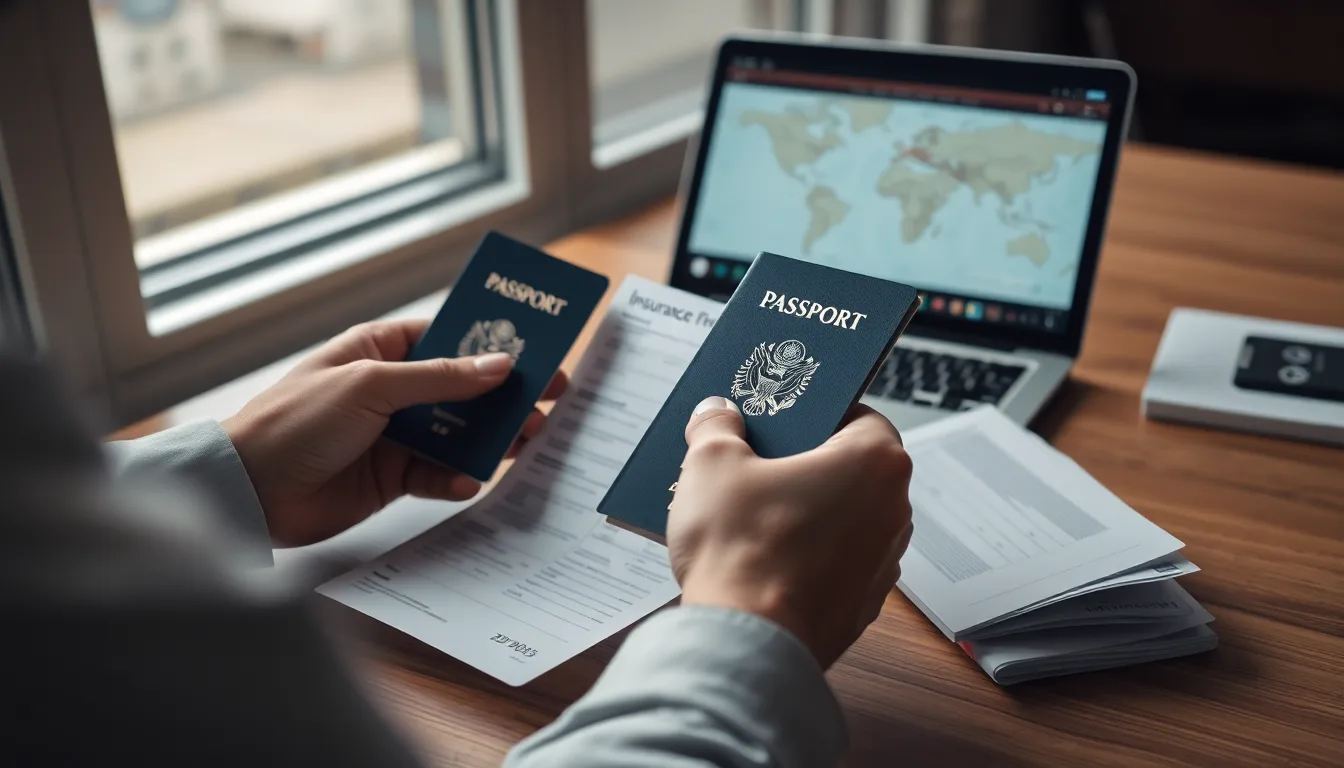
Here is the most compact safety protocol I have found for meeting a match in a city you do not live in. It fits in three rules. Read them twice and then set them up on your phone before the next time you fly somewhere and say yes to a first date.
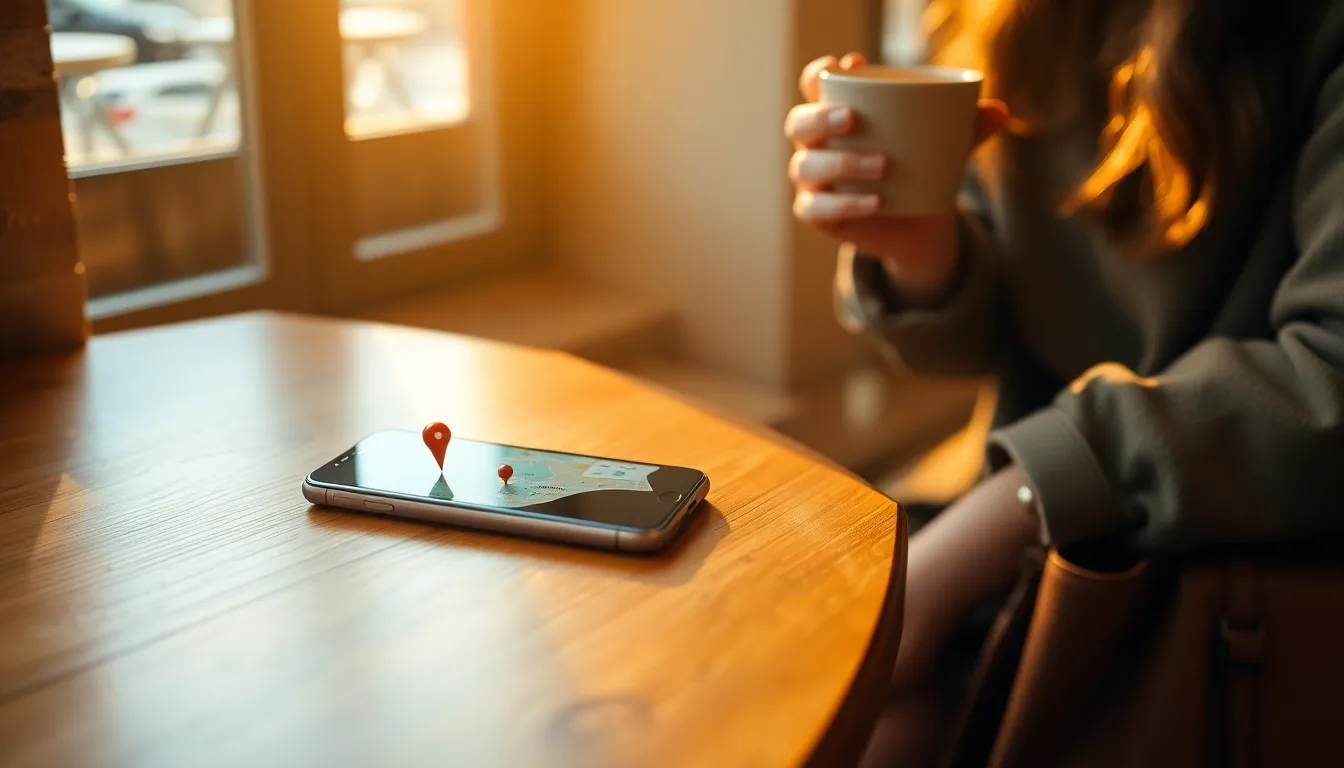
- The Two-Pins Rule. You send two specific pins to a trusted friend before the date: where you are staying and where you are meeting. Before you move to a new location, you update the pin.
- The Fixed Check-in. You agree in advance on a specific message you will send to your friend at a specific time. If you miss it, they escalate.
- The First-Hour Public Venue. The first sixty minutes of any first date happen in a public, well-staffed venue where leaving alone is easy.
Everything else in this article is a supporting layer around those three. If you only remember the headline rules, you are already doing better than most people on travel dating apps.
Why abroad is different
Dating someone from an app in your home city carries risk. Doing it in a city you do not live in amplifies three specific vulnerabilities:
- You do not know the neighborhoods. You cannot tell a rough street from a respectable one at a glance. A bar that looks cool on Instagram might be a front for something else. A "quiet local place" your match suggests may be quiet because nobody goes there.
- You do not know the emergency numbers. Some countries have multiple emergency lines — police, medical, tourist police — and they do not always speak your language.
- You do not have a local social graph. Nobody notices you did not make it home. Nobody calls. The absence of your everyday network is the hidden risk.
The safety rules below are specifically designed to compensate for those three.
Before you leave for the date
Set up the Two-Pins Rule
Pick one trusted friend who will be awake during your date's time window. Time zones matter here — if you are in Istanbul and your best friend is in San Francisco, that is a bad safety buddy for a 9 p.m. Istanbul date. Pick a friend in a reasonable time zone.
Send them two pins via your map app: your accommodation, and the meeting venue. Include the name of your match, the app you met on, a recent profile photo, and the planned start and end times.
Turn on live location sharing
WhatsApp, Google Maps, Apple Find My, and Signal all offer timed live-location sharing. Set it for two hours longer than you think the date will last. You can always extend. You rarely extend if you do not set it up in advance.
Set the check-in
Agree on a specific message you will send at a specific time. For example: "Still here, all good" at 10:30 p.m. If you miss it by 20 minutes, your friend calls you. If they cannot reach you within an hour, they have permission to contact your accommodation and, if necessary, local tourist police.
Write these instructions down and send them to your friend. Under stress, people freeze. A written script helps them act.
Know two exit routes
Before you leave your accommodation, look at the map around the meeting venue. Identify the nearest ride-share pickup spot, the nearest open metro or bus, and one well-lit commercial street. You want the venue to have at least two escape paths, not one narrow alley.
The first-hour rules
- Arrive first if you can. You control the seat position. Pick one facing the door. Keep your bag across your lap or on your shoe, not on an empty chair.
- Order your own drink. Watch it be poured or opened. If you step away from the table, do not come back to an open glass you left behind.
- Do not hand them your phone. Not to show a photo. Not to enter their number. They can hand you theirs.
- Do not get in a car with them. First date ends where it started, or you both go to a second public venue by separate means. No private rides.
- Do not share your accommodation name on the first message. The venue, yes. The hotel or apartment, not yet.
The subtler signals to watch
Most real problems start with small behaviors before they escalate. Notice:
- They push the timing fast. "Let's skip this and go somewhere better" fifteen minutes in is often a move to get you out of a public space you controlled.
- They are interested in logistics more than in you. Lots of questions about where you are staying, how long you are in town, who knows you are here. A little curiosity is normal; a pattern of it is not.
- They try to separate you from your phone or bag. Rare, but it happens, especially in higher-risk destinations. Treat "let me hold your phone" or "put your bag over there" as a signal to leave.
- They order your drinks without asking. Even a small version of this is worth a gentle but clear correction on the spot.
- They react badly to a no. A person who sulks, guilts, or escalates when you decline a second round is telling you something important.
Trust these early. An uncomfortable social exit is a much smaller cost than a dangerous late one.
Country-specific calibrations
Some moves are more relevant in certain contexts. A few examples:
- Nightlife cities with scam bars (Istanbul, Bangkok, Barcelona, some parts of Prague): if your date insists on a specific bar you have never heard of and will not compromise on venue, decline and propose your own. A real match will be flexible.
- Countries where drink spiking is a known issue (notably in parts of Southeast Asia, Spain, and Latin America): the "watch it poured" rule is non-negotiable. Covers for the glass are not weird anywhere anymore.
- Countries with less established ride-share: download the local app in advance. Bolt in Eastern Europe, Grab in Southeast Asia, DiDi in Latin America, Cabify in Spain and parts of Latin America, Yango in Turkey. Do not rely on street taxis for a late-night return.
- Destinations where you are visibly a tourist: the airport-tag on your bag, the specific guidebook in your hand — all signal "this person is alone and new here." Remove these before a date.
If something goes wrong
A short plan for the worst-case moment:
- Leave the venue without announcing it if you can. Pay on the way out. Walk toward the nearest well-lit commercial area, not toward your accommodation.
- Call your accommodation's front desk, if you have one, and ask for a taxi to be called from there. Hotel front desks are almost always safer dispatchers than street-hailing.
- If a situation is physically threatening, call local emergency services. Know the number before the trip — 112 in most of Europe, 911 in North America, 155 in Turkey for police, 999 in the UK, and so on.
- If you feel unsafe but not in immediate danger, call your safety-buddy friend. Talking to someone while you walk to a safer area is useful on several levels.
The second date is a different calculation
The rules above are for the first meeting. If the first date went well and the second is planned, you can loosen some of them — but not all. Specifically, keep the live-location sharing, keep the check-in text, and still avoid sharing your accommodation address until you have met in person more than once.
Safety rules are not about assuming the worst of every match. They are about making sure the small chance of something bad does not turn into a large consequence because you did not prepare.
One thing to set up tonight
Pick one friend. Send them this article. Ask if they will be your safety buddy the next time you go on a travel first date. Most friends say yes, feel honored, and will set up the exact same agreement with you when they next travel.
The system only works if it is already in place when you need it. Build it now, not at 9:55 p.m. on a Tuesday in a city you do not know.