
Contrary to the Instagram consensus, hotels are not where travel romance goes to die. And contrary to the hostel mythology, a hostel is not automatically a better place to meet someone. Each is good at something specific, and bad at something else, and the traveler who understands the difference gets to pick the setting that matches what they actually want.
What hostels are actually good at
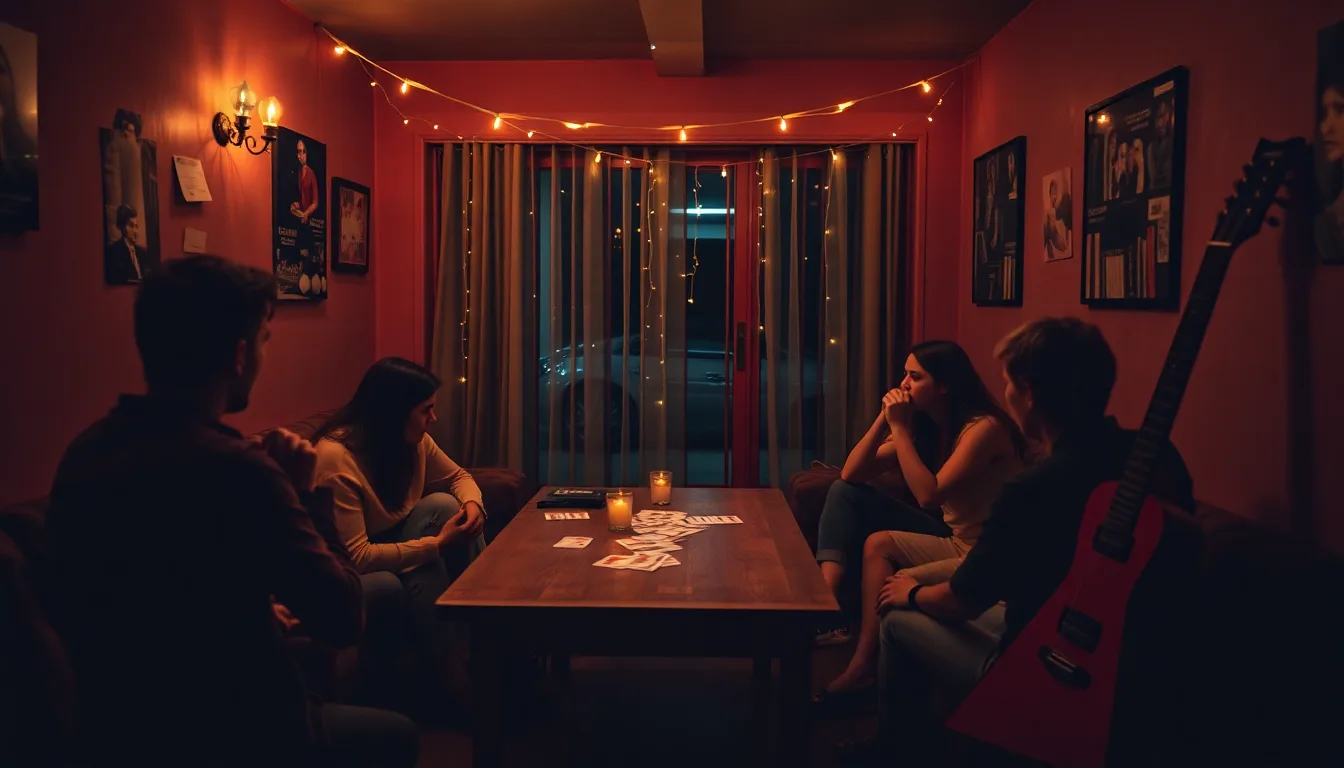
Hostels have one superpower: forced proximity without forced commitment. You arrive, you drop your bag, you end up in a common room with eight people you did not plan to meet, and by the end of the evening, two of them are going to the same bar as you. This is not a flaw of hostels. It is the whole design.
The best-designed hostels for connection have three features:
- A real common room that is not just a lobby. Selina properties in Latin America, Generator hostels in Europe, and the Yellow in Rome all get this right.
- A kitchen you can cook in. Buying pasta with a stranger at 9 p.m. is a better ice-breaker than any app.
- A loose daily activity schedule. Free walking tours, a pub crawl, a family dinner. You opt in, you meet seven people in an hour.
What hostels are bad at is filtering. Everyone you meet is, by definition, a traveler — which means almost everyone is temporary. The connections are fast, warm, and usually shallow. If you are looking for something that might last past a Tuesday, hostels stack the odds against you.
What hotels are actually good at
Hotels filter for intention. People who book a hotel over a hostel are, on average, further along in their life: a bit older, a bit more resourced, and more likely to be on a specific trip rather than an open-ended wander.
The flirting at hotels happens in different places than travelers expect:
- The bar, not the lobby. Hotel lobbies are dead zones. Hotel bars, especially at properties that locals also frequent, are surprisingly alive. The bar at the NH Collection in Madrid, the rooftop at the Hoxton in Amsterdam, Bar Leon at the Jardines de Serrano — locals drink at these places, not just guests.
- Breakfast. Everyone underestimates breakfast. Someone sitting alone with a coffee and a book at 9 a.m. is easier to approach than anyone at any bar at 11 p.m.
- The pool deck, if there is one. Not in Miami-influencer mode. In the "reading a novel on a lounger for an hour" mode. A single sentence about their book will get you further than a drink order.
What hotels are bad at is serendipity. You could stay at a hotel for five nights and not meet a single other guest unless you make effort. The building is designed for privacy. If you want to beat that, you have to leave the building — which is when the neighborhood starts to matter more than the accommodation.
The third option nobody ranks
The real answer to where travel romance starts is not a hostel or a hotel. It is the third space. The cafe two blocks from wherever you are staying, the coworking day-pass you bought because your hotel Wi-Fi was slow, the language exchange meetup, the yoga class in a park, the free rooftop jazz on a Thursday.
Hostels connect you to other travelers. Hotels connect you to people with money. Third spaces connect you to the version of your host city you actually want to meet.
If you are traveling for four nights or less, stay wherever and spend your time in third spaces. If you are traveling for more than a week, build a short list of two or three regular spots in your neighborhood and go to them twice each. Recognition is the beginning of every real connection.
How to flirt in each setting without being the cringe traveler
At a hostel
- Talk to groups, not individuals. Approaching one person in a hostel common room is awkward. Joining a card game is not.
- Offer, do not ask. "We're cooking pasta if anyone wants some" beats "where are you from" by ten to one.
- Do not hit on your dorm-mate in the dorm. Same room is not the right venue. Same common room is. Physical proximity + forced enclosure = bad flirting math.
At a hotel
- Sit at the bar, not at a table. A table is a wall. A bar is a doorway.
- Ask the bartender what locals drink, loudly enough to be overheard. This is the oldest move in the book because it still works.
- Be comfortable being alone first. The most attractive person at a hotel bar is the one reading a book with no phone out. The second is the one in unhurried conversation with the staff.
In a third space
- Become a regular in 48 hours. Same cafe, same time, two days in a row. The baristas notice. Other regulars notice. Eye contact becomes possible.
- Bring something that starts a conversation. A paperback in the local language with a bookmark halfway through. A sketchbook. A notebook, not a laptop. People approach analog.
Safety does not change based on venue
One trap of hostel culture is believing that because everyone is a traveler, everyone is trustworthy. They are not. The safety rules travel with you: let a friend know where you are, do not drink something you did not watch being poured, do not share a taxi back to someone's room before you have seen them in daylight.
Hotel bars are not automatically safer. Predators often target hotel bars specifically because they know travelers relax there. Stay sharp, especially in cities you do not know well.
The accommodation does not make the romance. The accommodation sets the hand you are dealt. You still have to play it.
A two-trip experiment
If you are the kind of traveler who usually books one category and ignores the other, try the opposite on your next short trip. A hostel person spends three nights at a mid-range hotel in a residential neighborhood. A hotel person takes two nights in a well-reviewed boutique hostel with a real common room.
You are not booking accommodation. You are booking the kind of strangers you are willing to meet. Pick the strangers. The rooms are secondary.